Beetle control
Beetle control
Recognise common stored-product, textile and wood-boring beetle signs.
Clear, proportionate guidance—without alarmist claims.
How to recognise the signs
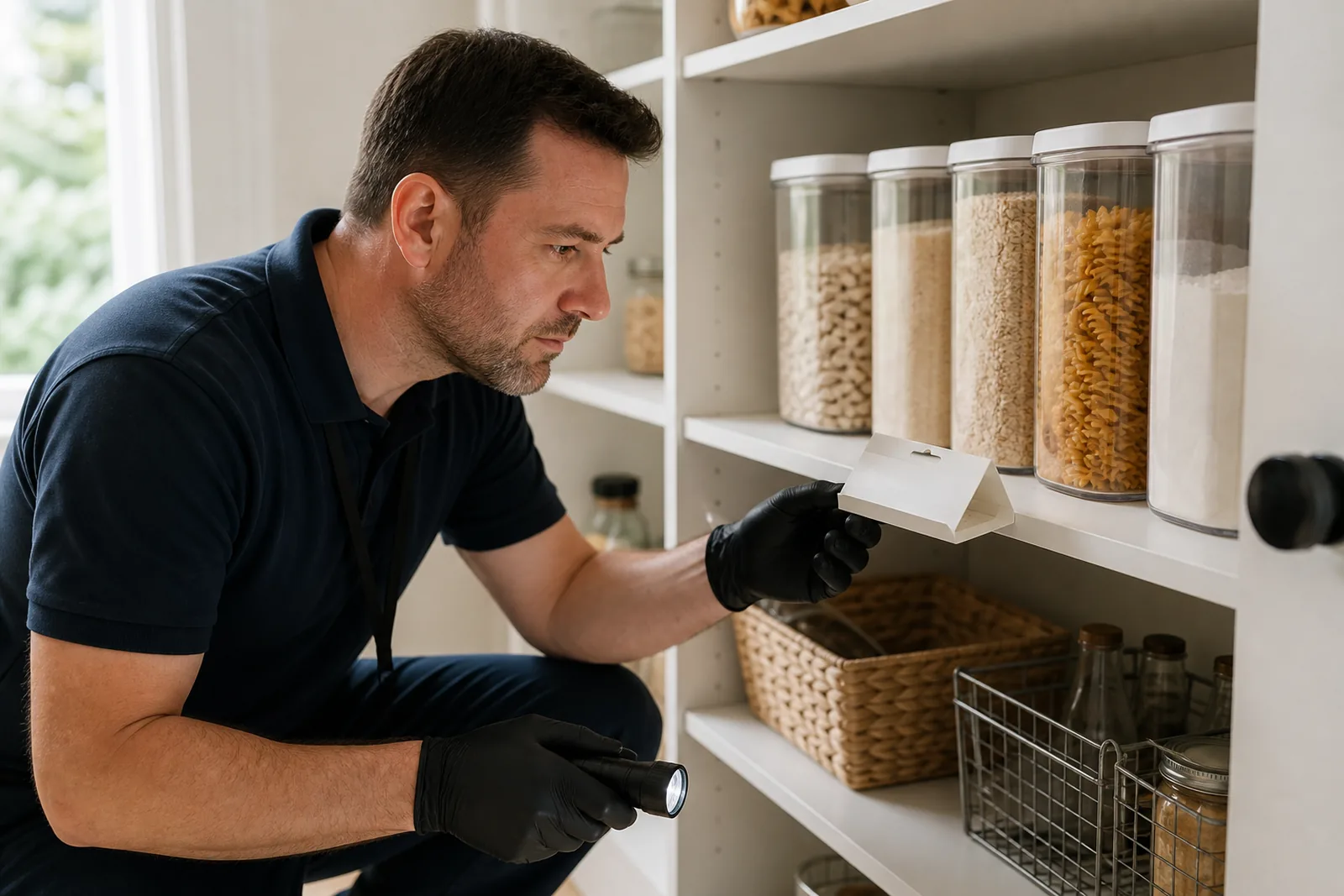
Beetle problems vary widely. Look for adult insects, larvae, cast skins, holes, dust or damage in dry food, textiles, timber or stored natural materials.
What to do now
Photograph the insect beside a scale, isolate affected goods, preserve a specimen safely if practical and inspect similar materials nearby.
What not to do
Do not assume every hole in timber is active woodworm, apply chemicals without identifying the beetle, or move affected stock through a building.
Prevention and proofing
Rotate and seal stored foods, clean storage edges, inspect vulnerable textiles and furniture, and control moisture where timber insects may be involved.
What professional help may involve
A professional or specialist identifier can determine whether the beetle affects food, fabrics, timber or is simply an incidental visitor.
Before contacting a provider
- Record where and when activity occurs.
- Take clear photographs without disturbing contamination or nests.
- Note previous treatment and access restrictions.
- Ask what inspection, treatment, follow-up and proofing are included.
Frequently asked questions
Does seeing an adult beetle prove active damage?
No. Identification plus fresh signs, larvae or monitoring may be needed to establish the source and current activity.
Are all beetles harmful in homes?
No. Many wander indoors accidentally and do not infest buildings or stored materials.
No tracked professional affiliate is configured yet. PestDeck will show nationwide options here after an approved programme is connected.Professional pest-control help